
Views: 222 Author: Amanda Publish Time: 2025-08-19 Origin: Site


Content Menu
● The Advantages of CNC Machining for Cost Reduction
>> 1. Minimization of Material Waste
>> 3. Consistency and Repeatability
>> 5. Flexible Production Capabilities
● Applications of CNC Machining in Various Industries
● How We Optimize CNC Machining to Deliver Cost-Effective Solutions
>> Skilled Programmers and Engineers
>> Quality Control Integration
>> Lean Manufacturing Practices
● Advanced CNC Machining Technologies That Further Cut Costs
● The Environmental and Economic Impact of CNC Machining
● Case Study: Reducing Production Cost for a Foreign Brand
● Ensuring Quality in CNC Machined Products
● Frequently Asked Questions (FAQ)
>> 1. What types of materials can CNC machining work with?
>> 2. Is CNC machining suitable for large or small production runs?
>> 3. How does CNC machining compare to 3D printing in terms of cost and quality?
>> 4. What is the typical lead time for CNC machined parts?
>> 5. Can CNC machining achieve intricate designs?
In the world of modern manufacturing, CNC machining has emerged as a game-changer, enabling businesses to reduce production costs without compromising on quality. This process has revolutionized how components are designed, prototyped, and produced, offering unparalleled precision and efficiency. For companies ranging from startups to large-scale manufacturers, leveraging CNC machining ensures competitive pricing while maintaining superior product standards.
In this comprehensive article, we will delve into the mechanisms behind CNC machining, explore its cost-saving aspects, and demonstrate why it remains a go-to production method for precision parts in various industries.
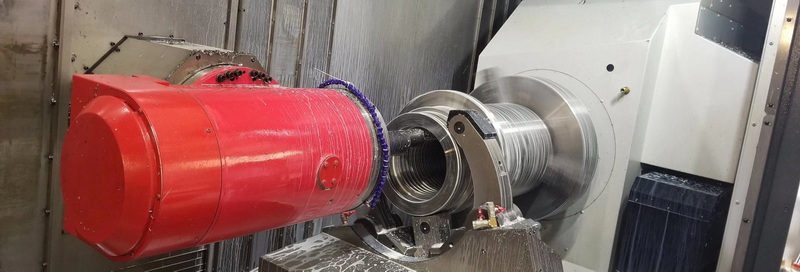
CNC machining, short for Computer Numerical Control machining, involves the use of computerized controls and machine tools to remove layers from a raw material, creating a custom-designed part or product. The computer program directs the movements of cutting tools — such as drills, lathes, mills, and grinders — with precision that far surpasses manual machining.
This technology allows the production of complex shapes and fine details with minimal human intervention, which translates into less error, reduced waste, and faster turnaround times.
The process begins with a digital 3D CAD (Computer-Aided Design) model, which is converted into G-code — the programming language that machine tools interpret. Operators load this code into CNC mills, lathes, or routers, which then execute highly precise, multi-axis movements to shape the raw material.
CNC machining supports a diversity of materials such as metals (including aluminum, steel, titanium), plastics, composites, and more, broadening its applicability across industries.
There are several key factors that make CNC machining an effective method to reduce production expenses while enhancing quality:
Efficient programming in CNC machining optimizes the cutting path, ensuring raw materials are used to their fullest extent. Instead of guesswork or manual cutting, automated control leads to precise removal of excess material only, significantly reducing offcuts and scraps.
Moreover, the ability to plan nesting layouts for batch production means multiple parts can be cut from a single piece of raw material, maximizing utilization and lowering overall raw material costs.
Since most of the process is automated, fewer workers are required on the manufacturing floor. This reduction in manual labor decreases hourly wages spent and minimizes human error, which often results in costly rework.
Additionally, CNC machines operate continuously with little supervision, including overnight or during weekends, boosting production time and throughput without increasing labor costs.
CNC machining machines can consistently reproduce the exact same component multiple times. This repeatability lowers the risk of defective parts that might incur scraps or returns, thus cutting down overall production costs linked to quality control.
Automated monitoring systems built into modern CNC machines detect tool wear or deviations early, enabling corrective maintenance without waiting for quality failures, further reducing waste and downtime.
Because of the high-speed operation and continuous machining capabilities, products can be manufactured quickly without downtime. Shorter cycle times translate into a higher volume of output for less time, directly impacting the value-for-cost ratio positively.
Sophisticated CAM (Computer-Aided Manufacturing) software also optimizes tool paths and feed rates, balancing speed with tool longevity and part quality to maximize efficiency.
Switching between designs or product types is streamlined by uploading new digital files without major machine adjustments. This flexibility reduces downtime and tool switching costs in batch production, especially for custom orders.
Moreover, the adaptability of CNC machines enables quick prototyping alongside mass production, allowing clients to test designs rapidly and move seamlessly into scaled manufacturing once validated.
Industries ranging from aerospace to medical devices rely heavily on CNC machining for their parts and prototypes. Here are some common uses:
- Automotive: Engine components, transmission parts, custom fixtures, and tooling.
- Electronics: Housing enclosures, connectors, and heat sinks with tight tolerances.
- Medical Devices: Surgical instruments, prosthetics, implants, and custom orthopedics.
- Aerospace: Turbine blades, airframe structural components, and avionics housings.
- Consumer Goods: Custom housings, appliance parts, promotional and decorative items.
Each industry benefits uniquely from the precision, repeatability, and material versatility of CNC machining, which helps meet stringent regulatory standards and innovation demands.
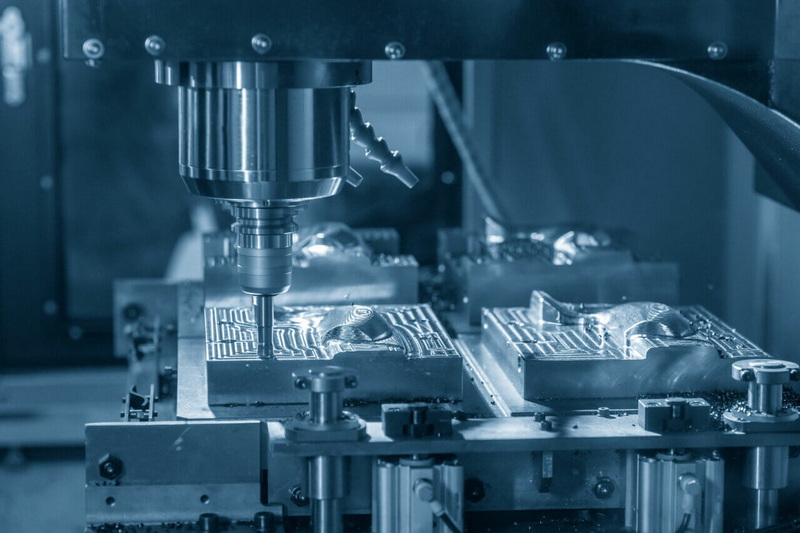
At our factory in China, we integrate the best CNC machining practices to provide OEM services for foreign brands, wholesalers, and manufacturers. Here's how we add value to your production process:
We operate advanced CNC machines capable of up to 5-axis simultaneous machining, enabling the creation of complex geometries and tight tolerance parts from metals and plastics alike. High precision reduces the need for secondary processing and manual finishing.
Our experienced team programs CNC machines using industry-leading CAM software to generate efficient toolpaths, minimizing material waste and machining time. Their expertise is crucial in selecting appropriate cutting speeds, feeds, and tooling for each job.
Inline quality control methods, including Coordinate Measuring Machines (CMM) and optical inspection systems, allow us to monitor and verify part dimensions in real time. Early detection of deviations helps avoid costly batch failures and ensures conformity with client specifications.
By applying lean production principles, we streamline material handling, inventory management, and machine scheduling. This reduces lead time, idle time, and overhead costs, all of which contribute to lower prices without quality degradation.
The integration of modern technologies in CNC machining is enhancing efficiency beyond traditional automation:
- IoT-enabled CNC Machines: These connect to networks, providing real-time data on machine status, productivity, and maintenance needs. Predictive maintenance based on such data prevents unexpected breakdowns, reducing downtime and repair costs.
- AI-driven Optimization: Artificial intelligence can analyze machining parameters and adapt cutting conditions dynamically to prolong tool life and optimize material removal rates, producing cost savings in tooling and production speed.
- Simulation Software: Before physical cutting begins, advanced simulations validate G-code programs and tooling paths, catching potential errors or collisions that would otherwise cause expensive scrap or machine damage.
- Hybrid Machining Methods: Combining additive manufacturing (like metal 3D printing) with CNC machining can reduce material use by printing near-net shapes that require only minimal machining, striking a balance between speed, cost, and precision.
CNC machining contributes not only to cost reductions but also to more sustainable manufacturing practices:
- Efficient Material Use: Reduction of scrap and offcuts lessens the demand for raw materials, thereby lowering environmental impact and cost.
- Energy Efficiency: Modern CNC machines are designed to consume less power per part produced due to optimized cycle times and better control systems.
- Reduced Waste: Precise fabrication means fewer defective products and returns, which saves resources across the product lifecycle.
Lower production costs combined with eco-friendly practices provide manufacturers a competitive edge in markets increasingly driven by sustainability concerns.
A well-known overseas brand approached us to manufacture precision aluminum parts for their electronic products. Using traditional machining methods, their costs were high with longer lead times, impacting their competitive pricing.
After switching to our CNC machining services:
- Material usage improved by 20%.
- Production cycle time reduced by 30%.
- Quality rejects dropped near zero due to consistency.
- Overall production cost reduced by 25%.
This partnership enabled the client to expand market share by offering competitively priced products without quality trade-offs.
The precision of CNC machining is unmatched, but quality assurance is still pivotal. Our quality protocols include:
- Dimension Verification: Measuring all critical dimensions against CAD models to ensure exact specifications are met.
- Surface Finish Checks: Ensuring smoothness and texture conform to technical and aesthetic requirements.
- Material Certification: Confirming raw stock compliance with industry standards such as ASTM or ISO grades.
- Functional Testing: Running operational tests on parts requiring mechanical or thermal performance validation after machining.
These steps guarantee that every piece leaving our facility meets or exceeds customer expectations.
CNC machining stands as a cornerstone technology in modern manufacturing, enabling substantial production cost reductions without any sacrifice in quality. By leveraging automation, precision, and flexibility, this manufacturing method offers unmatched efficiency in producing complex, high-quality parts consistently.
Our factory's expertise in CNC machining services — coupled with cutting-edge hardware, skilled operators, and stringent quality control — empowers global brand clients to thrive competitively by reducing costs and speeding time-to-market. Businesses looking to optimize their manufacturing operations should seriously consider CNC machining as a strategic avenue to elevate both affordability and excellence.
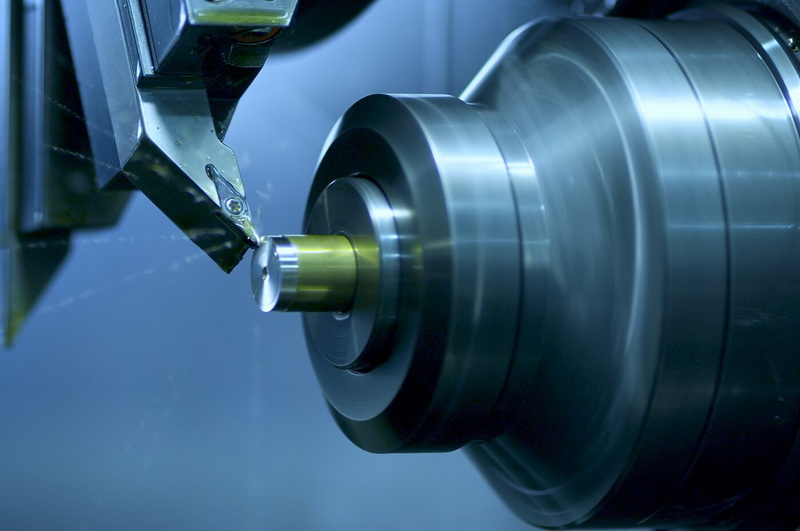
CNC machining can process a wide variety of materials, including metals such as aluminum, stainless steel, brass, and titanium, as well as plastics like ABS, nylon, and polycarbonate. This versatility accommodates many industries and product needs.
CNC machining is highly flexible and efficient for both single prototype parts and large batch productions. The ability to quickly switch programs and tooling allows manufacturers to respond swiftly to changing market demands.
While 3D printing excels at creating complex shapes rapidly, CNC machining offers superior strength, surface finish, and precision at scale. CNC is more cost-effective for functional parts that require high durability and tight tolerances, especially when production volume increases.
Lead times vary depending on design complexity and order size. Prototypes can often be delivered within days, while batch production may take several weeks. Our factory prioritizes efficient scheduling and lean processes to maintain competitive lead times.
Yes. Advanced multi-axis CNC machines can produce highly complex and detailed geometries, including undercuts and curved surfaces that mimic complex shapes traditionally difficult or impossible to achieve with manual machining.

