
Views: 222 Author: Amanda Publish Time: 2025-10-04 Origin: Site


Content Menu
● Introduction to Injection Molding and Automation
● The Impact of Automation on Injection Molding Quality
● Cost Reduction Benefits of Automation in Injection Molding
● Practical Automation Technologies in Injection Molding
● Integration of Automation with Industry 4.0 for Injection Molding
● Case Study: Automation in a Precision Injection Molding Factory
● Challenges and Considerations for Automation in Injection Molding
● The Future of Automation in Injection Molding
● FAQ
>> 1. How does automation improve injection molding cycle times?
>> 2. Can automation help reduce material waste in injection molding?
>> 3. What types of robots are used in injection molding automation?
>> 4. Is automation suitable for small batch injection molding production?
>> 5. What maintenance considerations are there for automated injection molding systems?
Injection molding is a cornerstone of modern manufacturing, widely used for producing precise, complex, and high-volume plastic components. As industries demand higher quality, faster turnaround, and cost efficiency, automation has become a pivotal technology in transforming injection molding processes. This article explores how automation enhances injection molding quality, reduces production costs, and boosts overall efficiency. We will delve into practical applications and benefits while providing insightful examples and expert guidance to help manufacturers embrace automation confidently.
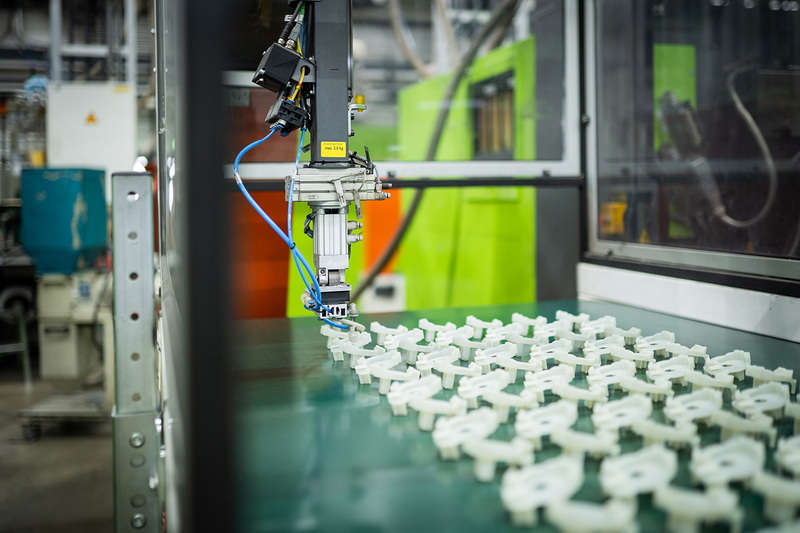
Injection molding involves injecting molten plastic into a mold cavity, where it cools and solidifies into the desired shape. This process is essential across multiple sectors, including automotive, electronics, healthcare, and consumer goods. However, traditional injection molding faces challenges such as variability in product quality, labor-intensive operations, and high scrap rates.
Automation addresses these problems by integrating robotics, sensors, and control systems, streamlining the entire manufacturing cycle from raw material handling to finished product packaging. Automation is not just about replacing human labor; it's about achieving consistency, repeatability, and scalability.
Injection molding quality depends heavily on precise control of factors like temperature, pressure, and timing. Manual operations or semi-automated workflows often allow minor human errors that can affect product consistency. Automating these controls helps maintain the stringent tolerances required by modern manufacturers, especially when producing components for industries that demand zero defects, such as medical or aerospace parts.
Consistent quality in injection molding is critical to meet stringent industry standards and customer expectations. Automation introduces precision and real-time control that manual or semi-manual processes cannot achieve.
- Precision Control: Automated machines precisely regulate injection speed, pressure, holding time, and cooling rates, ensuring each part conforms exactly to the specified dimensions.
- Real-time Monitoring: Sensors constantly track production parameters to detect anomalies or deviations instantly. If data outside tolerance limits is identified, the system can pause production or adjust settings automatically, preventing large batches of defective parts.
- Minimized Human Error: Reducing manual inputs curtails the chance of error caused by operator fatigue, inaccurate manual readings, or inconsistent procedural execution.
- Improved Mold Handling: Automated mold changers ensure molds are aligned and seated correctly, preventing flash or incomplete fills that degrade product quality.
- Predictive Maintenance: Automated diagnostic tools analyze machine conditions, such as wear patterns or temperature fluctuations, to forecast when maintenance is needed, avoiding unplanned downtime and quality lapses.
Together, these improvements help manufacturers achieve superior product consistency, reduce rejections, and build customer confidence in their products.
Cost efficiency is a major driver for adopting automation in injection molding. Automated systems deliver significant cost savings in multiple areas:
- Labor Cost Savings: With robots and automated conveyors, manual tasks like unloading parts, stacking, and feeding raw materials are minimized. This allows manufacturers to operate with fewer operators and lower labor costs.
- Material Savings: Optimized injection parameters reduce scrap rates by avoiding overflows, short shots, or warping. Precise control also enables just-in-time production with less excess inventory, lowering material waste.
- Energy Efficiency: Automated injection presses optimize energy consumption by controlling machine cycles and minimizing idle times. Using servo motors and energy-efficient components further cuts electricity usage.
- Faster Production Cycles: Automation reduces the time between cycles by speeding up mold changeovers and part handling operations, increasing throughput and allowing companies to fulfill orders faster.
- Lower Maintenance Costs: Implementing predictive maintenance via automation avoids costly breakdowns that disrupt production schedules and increase repair expenses.
These combined savings contribute to a leaner injection molding operation that improves profitability without compromising quality.
Several automation technologies are transforming injection molding workflows:
- Robotic Part Removal Systems
Robots remove finished parts from molds precisely and quickly, preventing damage and speeding up cycles. Robotic arms can be programmed to handle delicate parts gently or carry heavy pieces automatically to secondary operations like trimming or packaging.
- Automated Mold Changers
These devices enable mold swaps without manual labor, significantly decreasing changeover time and facilitating smaller production runs or product variations without downtime.
- Vision Inspection Systems
Automated cameras equipped with AI-driven image recognition inspect molded parts immediately after ejection for surface defects, dimensional anomalies, or contamination. This automated quality inspection replaces lengthy visual checks and increases detection accuracy.
- Process Monitoring and Control Software
Advanced MES (Manufacturing Execution Systems) and SCADA software collect data from machines and sensors, giving operators dashboards to monitor performance, control parameters remotely, and review historical trends for continuous process improvement.
- Automated Material Handling
From feeding raw plastic pellets with vacuum loaders to moving packaged goods on conveyors, automation reduces manual material handling errors and speeds logistics within production lines.
- Temperature and Environment Controls
Automated thermal regulation systems maintain consistent mold and ambient temperatures, essential for preventing warping and ensuring uniform part quality.
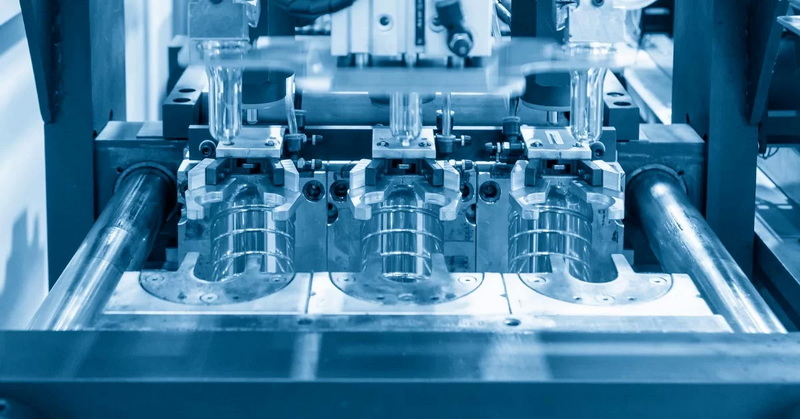
The rise of Industry 4.0 technologies is further enhancing the capabilities of automated injection molding systems. Integration with IoT devices and cloud platforms enables manufacturers to leverage big data and AI analytics.
- Data-Driven Optimization: Sensors continuously feed production data into centralized software, utilizing machine learning algorithms to identify inefficiencies or predict faults before they become critical.
- Remote Monitoring and Management: Operators and engineers can oversee injection molding operations from remote locations via secure web portals or mobile apps, enabling rapid response to issues and reducing the need for on-site presence.
- Supply Chain Synchronization: Automated systems can communicate with upstream and downstream supply chain partners, aligning production schedules with demand forecasts and inventory levels for just-in-time manufacturing.
- Digital Twins: Virtual models of injection molding machines simulate various production scenarios, allowing proactive adjustments and risk-free testing of new settings before implementing them on the factory floor.
These innovations amplify the benefits of automation by making injection molding processes more intelligent, flexible, and resilient.
A leading precision injection molding factory specializing in OEM services implemented a fully automated system that combined robotic arms for part removal, real-time sensors for in-process monitoring, and AI-powered quality control software.
The factory operated injection molding machines connected to a central MES system, with robots unloading and transporting parts to inspection stations equipped with vision systems. The AI system analyzed inspection data and machine parameters continuously, providing immediate feedback to adjust processing conditions.
The results included:
- Defect rates reduced by 45%, drastically lowering waste and rework costs.
- Cycle times shortened by 25%, increasing throughput and order fulfillment speed.
- Labor requirements cut by 30%, enabling redeployment of skilled staff to higher-value tasks.
- Material waste decreased by 20%, reducing raw material costs and environmental impact.
- Downtime minimized through predictive maintenance alerts.
This case exemplifies how automation delivers tangible improvements in injection molding quality and cost efficiency, helping the company maintain competitiveness in global markets.
Despite its benefits, adopting automation requires careful planning and management:
- Initial Investment: The upfront capital for robotic systems, sensors, and software integration can be significant, requiring a clear cost-benefit analysis to justify expenses.
- System Integration: Ensuring compatibility between existing injection molding machines and new automation equipment demands technical expertise and may involve custom solutions.
- Technical Expertise: Staff need training to operate, program, and maintain automated systems effectively. Upskilling or hiring specialized personnel is often necessary.
- Customization: Injection molding processes vary widely depending on materials, part complexity, and production volumes; automation solutions must be tailored accordingly and verified through trial runs.
- Change Management: Introducing automation can meet resistance from workers concerned about job security. Transparent communication and involvement of employees ease transitions.
- Maintenance and Support: Automated systems require regular maintenance, software updates, and technical support to sustain long-term reliability.
Recognizing and addressing these challenges ensures successful automation deployment with maximum ROI.
Looking ahead, automation in injection molding will become increasingly advanced with several emerging trends:
- Artificial Intelligence and Machine Learning
AI will further optimize injection parameters by analyzing larger data sets in real time, improving predictive maintenance capabilities and enhancing quality control accuracy.
- Internet of Things (IoT) Integration
Increasing connectivity of injection molding machines and peripheral devices will allow seamless data exchange, enabling synchronized and adaptive production workflows.
- Collaborative Robots (Cobots)
Cobots designed to operate safely alongside human operators will improve flexibility for complex or low-volume injection molding tasks, combining human insight with robotic precision.
- Sustainable Manufacturing Initiatives
Automation will support greener manufacturing by optimizing energy consumption, reducing scrap, enabling reuse of plastic materials, and integrating with circular economy processes.
- Additive and Hybrid Manufacturing
Combining 3D printing with injection molding automation may enable rapid prototyping alongside mass production for faster product development cycles.
These emerging technologies promise smarter, more sustainable, and highly efficient injection molding factories.
Automation significantly enhances injection molding quality by ensuring consistency, precision, and real-time process control, while also substantially reducing production costs through labor savings, material efficiency, and shorter cycle times. Integrating robotics, advanced sensors, software, and data analytics enables manufacturers to meet demanding quality standards and increase competitiveness in a global market. Though initial setup requires investment and expertise, the long-term benefits make automation indispensable for modern injection molding operations striving for excellence.
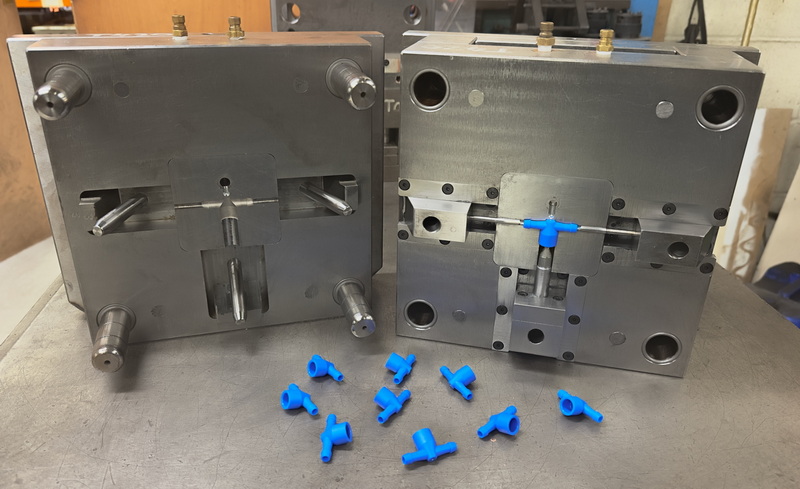
Automation speeds up cycle times by enabling rapid mold changes, precise robotic part handling, and optimized injection parameters, which reduce idle time between cycles.
Yes, automation controls injection pressure and temperature precisely, minimizing defects and ensuring consistent part formation, which reduces scrap and reprocessing efforts.
Commonly used robots include articulated robotic arms for part removal and packaging, delta robots for high-speed assembly, and collaborative robots designed to work safely with human operators.
Yes, automation can be adapted to small batches through flexible robotic systems and quick mold changers, improving efficiency even in low-volume production runs.
Automated systems often incorporate predictive maintenance tools to monitor machine health and schedule timely servicing, preventing unexpected downtime and costly repairs.

