
Views: 222 Author: Amanda Publish Time: 2025-11-06 Origin: Site


Content Menu
● The Environmental Impact of Moulding Production
>> Energy Consumption and Efficiency
>> Material Selection: Sustainable and Recycled Options
>> Waste Management and Zero-Waste Initiatives
>> Emissions Control and Pollution Prevention
>> Process Optimization Through Technology
● Innovations in Sustainable Moulding Production
>> Additive Manufacturing: Rapid Prototyping and Tooling
>> Powder Compression Moulding and Advanced Techniques
>> Life Cycle Assessment and Digital Management
● Economic, Social, and Regulatory Perspectives
>> Social and Environmental Stewardship
● Challenges in Implementing Sustainable Moulding Production
● Future Trends in Sustainable Moulding Production
>> Growth of Bioplastics and Recyclable Composites
>> Smarter Factories and Industry 4.0
>> Environmentally Driven Design Innovation
● Frequently Asked Questions (FAQ)
>> 1. What are the key environmental benefits of sustainable moulding production?
>> 2. How does process optimization improve sustainability?
>> 3. Can recycled materials meet the quality demands of high-precision moulding?
>> 4. What are the principal obstacles to adopting sustainable moulding production?
>> 5. How does moulding production contribute to broader sustainability goals?
Sustainable moulding production represents a critical evolution in global manufacturing, requiring producers to address environmental impact with practical strategies and future-focused innovations. Widespread adoption of sustainable practices—especially in the context of rapid prototyping, CNC machining, batch precision production, turning, sheet metal, 3D printing, and mould manufacturing—demonstrates that environmental responsibility is compatible with high-quality manufacturing standards. This article explores the core considerations, real-world applications, strategic advancements, and systemic challenges that shape the landscape of sustainable moulding production for OEM services offered to overseas brands, wholesalers, and manufacturers.
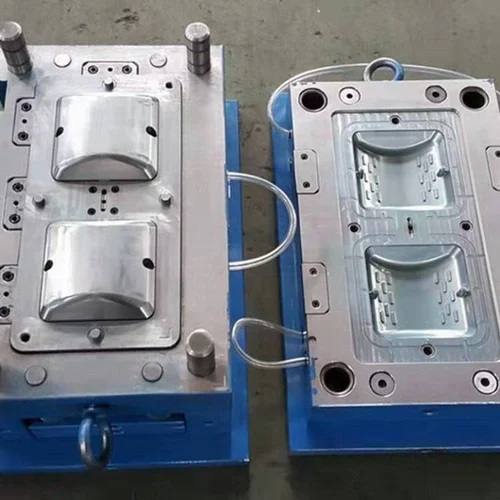
Moulding production processes, especially those relying on injection moulding, are energy-intensive, with machine operation, heating, and cooling representing significant contributors to the industry's carbon footprint. Electric injection moulding machines offer notable improvements in energy efficiency compared to hydraulic systems, consuming power only during operation and often reducing overall energy consumption by up to 50%. Regular maintenance, right-sizing of equipment, and adoption of advanced technologies like dynamic servo motors and energy management systems further minimize energy waste.[1][2][3]
Modern energy efficiency efforts now include Internet of Things (IoT) connectivity for predictive maintenance, process monitoring, and optimization, allowing manufacturers to identify inefficiencies in real time. This digital approach improves not just energy use, but overall workflow, repeatability, and output quality—critical factors in sustainable production.[3]
Choosing environmentally friendly materials is essential for lowering the impact of moulding production. The industry is moving rapidly toward:
- Recycled Plastics: Utilizing post-consumer and post-industrial recycled plastics, not only diverts waste from landfills but reduces the reliance on virgin plastics, dramatically lowering lifecycle emissions and resource depletion.[2][6][1]
- Bio-based and Biodegradable Polymers: These materials, sourced from renewable crops like corn or sugarcane, offer biodegradability and a less harmful legacy in landfill or natural environments.[6][2]
- Closed-Loop Recycling Systems: Products made from recycled plastics can be returned to the manufacturing cycle, promoting circularity and waste minimization.[6]
Selecting and validating sustainable materials requires rigorous testing to confirm compatibility with existing moulding equipment and product requirements, including mechanical strength, heat resistance, and chemical stability.[8]
Waste management strategies in sustainable moulding production include lean manufacturing, recycling of scrap plastics and metals, and continual process optimization.[7][1]
Key waste reduction approaches consist of:
- Optimized Mold Design: Well-designed molds cut down on flash and sprues (waste remnants from plastic injection), enhancing material yield and lessening landfill impact.[5][3]
- Local Recycling Partnerships: Collaborating with local recyclers facilitates re-granulation of plastic waste, supporting both environmental and community outcomes.[3]
- Zero-Waste Targets: Ambitious manufacturers strive for zero manufacturing waste through constant innovation, resourceful reuse, and improved process controls.[1]
Manufacturers must address process emissions, including volatile organic compounds (VOCs) and other pollutants released during heating and forming stages of moulding production. Effective strategies include:
- Low-VOC Materials: Transitioning to feedstocks with lower VOC emissions reduces air pollution and ensures regulatory compliance.[5][1]
- Efficient Ventilation and Monitoring: Incorporating advanced ventilation and continuous emission data collection safeguards air quality both inside and outside the facility.[1]
- Switching to Green Energy Sources: Solar, wind, or hydro power reduces fossil fuel dependence and mitigates overall greenhouse gas emissions from plant operation.[2]
Smart process controls, real-time sensors, and artificial intelligence are transforming energy use, waste rates, and overall production consistency. Advanced software enables manufacturers to automatically adjust process parameters, optimizing cycle times and reducing waste and defective outputs.[2][1]
Automation ensures high precision and repeatability, minimizing human error and enhancing resource efficiency. Digital twins—virtual models of physical production environments—allow for predictive maintenance and ongoing process improvement.[6]
3D printing has changed the landscape for mould design and prototyping. Additive manufacturing enables the creation of complex mould features with minimal material waste and rapid turnaround, improving both sustainability and time-to-market for new products.[6]
Powder compression moulding reduces waste by compacting metal or ceramic powders directly into desired geometries. The method maximizes material utilization and supports recyclable product lifecycles.[6]
Manufacturers now use life cycle assessment (LCA) methods to analyze environmental impact from cradle to grave, making data-driven decisions that promote sustainability at every stage. LCA results inform smarter material selection, process design, and end-of-life management.[4]
In tandem, digital management systems monitor production metrics, material flows, and energy use, driving continuous improvement and accountability.
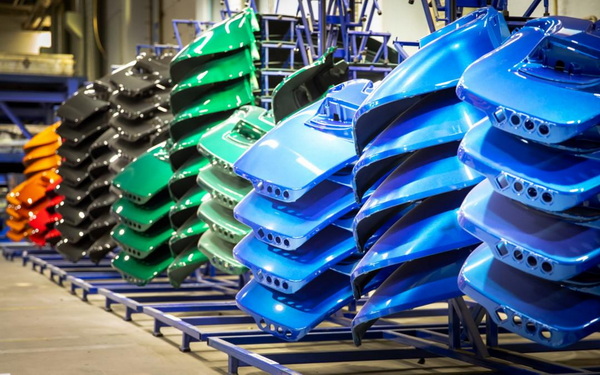
Sustainable moulding production requires initial investments in new equipment, processes, and training, but brings substantial long-term economic benefits. Savings arise from:
- Reduced material waste and scrap rates
- Lower energy costs due to efficient machinery
- Streamlined production processes and less downtime
- Compliance with environmental regulations, mitigating fines and risks
- Improved brand reputation among partners and consumers[5]
By relying less on finite or environmentally harmful resources and embracing locally available recycled materials, manufacturers build more resilient and predictable supply chains, hedging against global disruptions and price volatility.[5]
Manufacturers increasingly recognize social responsibility as integral to business sustainability. Efforts to educate employees, set clear sustainability goals, and foster continuous improvement create long-term value for all stakeholders—customers, employees, and communities.[1]
Despite progress, sustainable moulding production faces hurdles:
- Upfront Investment: Upgrading machines and retraining personnel demands capital and commitment, with returns realized over time.[6]
- Material Performance: Recycled and bio-based polymers may not always match the mechanical properties or standards required for every application.[8]
- Process Compatibility: Introducing new materials entails thorough validation for existing moulding techniques, possible redesigns, and quality assurance.[7][8]
- Supply Chain Adaptation: Sourcing sustainable materials reliably in large volumes and at competitive costs remains an ongoing challenge for global-scale manufacturing.
The market for bioplastics and recyclable composites is expanding rapidly. Ongoing research focuses on improving durability, processing versatility, and end-of-life recyclability for these materials.[2][6]
Integration of Industry 4.0—combining IoT devices, big data, robotics, and decentralized digital management—promotes unprecedented transparency, agility, and efficiency in moulding production. Predictive analytics and machine learning help facilities hit sustainability targets reliably.[3]
Designing for the environment encourages manufacturers to minimize part complexity, reduce material use, and prioritize modular or reusable products, enhancing both sustainability and adaptability. Environmentally conscious design also makes recycling and disassembly at end-of-life easier.[8][6]
Sustainable moulding production is a multi-dimensional endeavour that calls for smart material choice, responsible energy management, robust waste handling, emissions control, and adoption of advanced technologies. Though challenges persist, the transition to greener, more resilient practices is essential for the long-term competitiveness and social responsibility of the manufacturing industry. Forward-looking manufacturers who invest in sustainability not only meet regulatory obligations and market demands but also contribute substantially to global solutions for climate change and resource depletion.
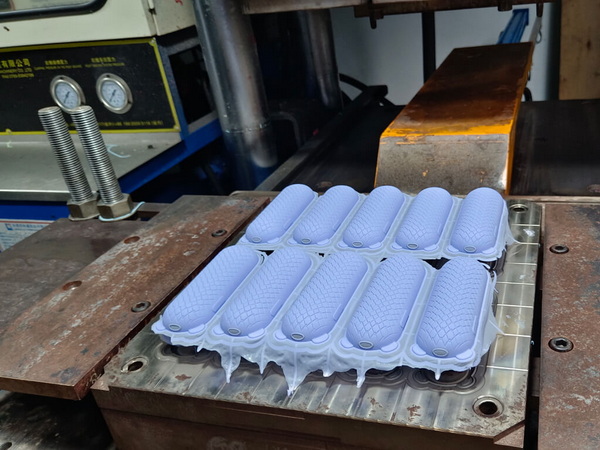
Sustainable moulding production drastically reduces energy consumption, waste generation, and emissions by focusing on better materials, upgraded equipment, and smarter processes, leading to lower carbon footprints and resource conservation.[1][5][6]
Process optimization—including automation, AI-driven controls, and predictive maintenance—minimizes cycle times, reduces defects, and lowers energy and material waste, creating more efficient and eco-friendly manufacturing environments.[2][1]
While recycled and bio-based materials sometimes pose challenges in quality and consistency, continuous advancements in material science and rigorous testing are helping manufacturers match, and often exceed, required industry standards.[8][6]
The main barriers involve upfront investment, material compatibility and performance, supply chain adaptation, and the need for rigorous validation and quality assurance processes.[8][6]
By implementing sustainable practices, moulding production supports global initiatives to combat climate change, conserve natural resources, and foster eco-friendly economic growth, enhancing both corporate reputation and regulatory compliance.[5][1]
[1](https://rjginc.com/reducing-environmental-impact-in-injection-molding-plants-6-strategies-for-a-greener-future/)
[2](https://www.plastekgroup.com/blog/embracing-sustainability-in-injection-molding/)
[3](https://www.medicalmoulds.com/environmental-impacts-of-plastic-injection-moulding/)
[4](https://www.sciencedirect.com/science/article/abs/pii/S0959652623016086)
[5](https://www.essentracomponents.com/en-us/news/manufacturing/injection-molding/optimizing-plastic-injection-molding-processes)
[6](https://www.octexgroup.com/blog/innovations-in-sustainable-injection-molding-a-path-to-greener-manufacturing/)
[7](https://www.plasticmoldingdevelopment.com/plastic-environmental-considerations-with-plastic-molding-development/)
[8](https://www.plasticstoday.com/packaging/balancing-sustainability-efficiency-and-innovation-in-plastics-processing)
[9](https://www.fictiv.com/articles/sustainable-plastic-injection-molding)
[10](https://www.goodfishgroup.com/revolutionising-manufacturing-how-plastic-injection-moulding-is-embracing-eco-friendly-solutions)

