
Views: 222 Author: Amanda Publish Time: 2025-07-09 Origin: Site


Content Menu
>> Why Rapid Prototyping Matters
● Key Technologies in Rapid Prototyping
>> 3D Printing
● Benefits of Rapid Prototyping for Precision Manufacturing
>> Design Flexibility and Customization
>> Quality Assurance and Functional Testing
● The Rapid Prototyping Process: Step by Step
>> 3. Prototyping Method Selection
>> 7. Iteration
● Choosing the Right Rapid Prototyping Partner
● Case Studies: Real-World Applications
>> Aerospace
>> 1. What materials can be used in rapid prototyping?
>> 2. How long does the rapid prototyping process take?
>> 3. Can rapid prototyping be used for mass production?
>> 4. What is the difference between CNC machining and 3D printing in rapid prototyping?
>> 5. How do I choose the best rapid prototyping method for my project?
In today's fast-paced manufacturing landscape, rapid prototyping has become a cornerstone for innovation and efficiency. Companies seeking to develop new products or refine existing ones rely on advanced prototyping techniques to reduce lead times, minimize costs, and ensure precision. As a leading factory in China specializing in rapid prototyping, CNC machining, precision batch production, lathe turning, sheet metal fabrication, 3D printing, and mold manufacturing, we are committed to delivering OEM services for global brands, wholesalers, and manufacturers. This comprehensive guide explores the world of rapid prototyping, its benefits for precision manufacturing, and why partnering with an expert provider can transform your product development journey.
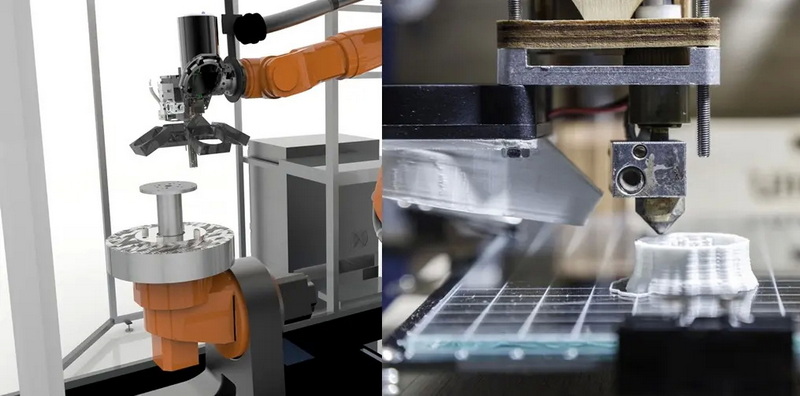
Rapid prototyping is a collection of advanced manufacturing techniques used to quickly fabricate a scale model or functional part using 3D computer-aided design (CAD) data. Unlike traditional manufacturing, which can require weeks or months to produce a prototype, rapid prototyping enables businesses to iterate, test, and refine designs within days.
- Accelerates product development cycles by enabling faster design iterations.
- Reduces costs by minimizing design errors early in the process.
- Enhances communication between design, engineering, and production teams through tangible models.
- Enables functional testing before committing to mass production, reducing risk.
Rapid prototyping is no longer just a luxury for large corporations; it has become an essential tool for businesses of all sizes aiming to innovate efficiently and stay competitive in the global market.
CNC (Computer Numerical Control) machining is a subtractive manufacturing process where computer-controlled tools precisely remove material from a solid block to create complex and highly accurate parts. This method is ideal for producing prototypes with tight tolerances, smooth surface finishes, and durable materials such as metals and engineering plastics.
CNC machining supports a wide range of materials including aluminum, stainless steel, brass, and plastics like ABS and nylon. Its precision makes it perfect for functional prototypes that need to withstand mechanical stress or heat, such as automotive components or industrial equipment parts.
3D printing, also known as additive manufacturing, builds objects layer by layer from digital models. This technology supports various materials, including thermoplastics, resins, and metal powders, allowing for rapid creation of complex geometries that would be difficult or impossible to achieve with traditional methods.
There are several 3D printing technologies used in rapid prototyping:
- Fused Deposition Modeling (FDM): Ideal for quick, cost-effective prototypes using thermoplastics.
- Stereolithography (SLA): Produces high-resolution parts with smooth surfaces, suitable for visual models and functional testing.
- Selective Laser Sintering (SLS): Uses powdered materials to create durable, functional prototypes with complex internal structures.
- Direct Metal Laser Sintering (DMLS): Enables metal part production with excellent mechanical properties.
3D printing excels at producing prototypes quickly, allowing designers to test form, fit, and function early in the development cycle.
Sheet metal fabrication is a rapid prototyping method that involves cutting, bending, and assembling thin metal sheets to create parts and enclosures. This technique is widely used for prototypes requiring strength, durability, and heat resistance, such as electronic housings, brackets, and chassis components.
Rapid sheet metal prototyping allows for quick turnaround times and flexibility in design changes. It supports materials like stainless steel, aluminum, copper, and galvanized steel. Techniques such as laser cutting, punching, and bending are combined to produce precise and functional parts.
Lathe turning is a subtractive process where the workpiece rotates against cutting tools to create cylindrical parts. This method is essential for producing precision shafts, bushings, threaded components, and other round parts with tight tolerances.
In rapid prototyping, lathe turning allows for fast production of functional parts that require smooth finishes and accurate dimensions. It is often combined with CNC milling to create complex geometries on a single prototype.
For projects that require multiple prototypes or small-batch production, mold manufacturing is an efficient method to produce consistent, high-quality parts. Injection molding and casting molds are created based on the prototype design, enabling rapid replication of parts with excellent surface finish and mechanical properties.
Rapid mold manufacturing uses advanced CNC machining and electrical discharge machining (EDM) to produce molds quickly. This approach bridges the gap between prototyping and full-scale production, offering cost-effective solutions for limited runs and pilot production.
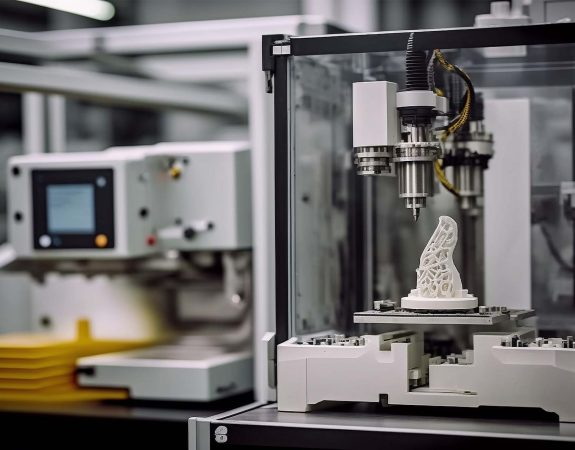
Rapid prototyping drastically shortens the product development cycle. Instead of waiting weeks or months for prototypes, companies can receive physical parts within days. This speed allows for faster feedback, enabling designers and engineers to iterate quickly and improve the product continuously.
Developing a product without prototyping can lead to costly errors during mass production. Rapid prototyping helps identify design flaws early, preventing expensive tooling changes and production delays. It also reduces waste by optimizing material usage and minimizing scrap.
Rapid prototyping supports a high degree of design flexibility. Changes to CAD models can be implemented quickly, and new prototypes produced without significant additional costs. This flexibility is especially valuable for customized products or when responding to evolving market demands.
Prototypes produced through rapid prototyping can undergo rigorous testing to validate fit, form, and function. This ensures that the final product meets performance requirements and regulatory standards, reducing the risk of recalls or failures.
Companies that leverage rapid prototyping can bring products to market faster, respond to customer feedback more effectively, and innovate continuously. This agility provides a significant competitive edge in industries where speed and precision are critical.
The process begins with transforming ideas into detailed 3D CAD models. Designers and engineers collaborate to create accurate digital representations of the product, incorporating all functional and aesthetic requirements.
Choosing the right material is crucial to ensure the prototype performs as intended. Factors such as strength, flexibility, heat resistance, and surface finish guide the selection process. Materials range from plastics and resins to metals and composites.
Based on the design complexity, material requirements, and intended use, the appropriate rapid prototyping technology is selected. For example, 3D printing may be chosen for complex geometries, while CNC machining is preferred for high-precision metal parts.
The prototype is fabricated using the selected technology. Advanced machinery and skilled technicians ensure that the part meets design specifications and quality standards.
After fabrication, prototypes often undergo finishing processes such as sanding, polishing, painting, or assembly. These steps enhance the appearance and functionality of the prototype.
The prototype is tested for fit, function, durability, and performance. Feedback from testing informs necessary design adjustments.
Based on evaluation results, the design is refined and new prototypes are produced. This iterative cycle continues until the product meets all requirements.
Partnering with a knowledgeable and reliable rapid prototyping service provider is essential for success. Here are key considerations:
- Technical Expertise: A provider with experience across multiple prototyping technologies can recommend the best approach for your project.
- Quality Assurance: Look for certifications, quality control systems, and a track record of delivering precision parts.
- Material Capabilities: Access to a broad range of materials ensures your prototype matches the final product's requirements.
- Turnaround Time: Fast delivery without compromising quality is critical in rapid prototyping.
- Communication: Transparent and responsive communication helps avoid misunderstandings and keeps projects on track.
- OEM Experience: Providers familiar with OEM services understand the demands of brand owners and manufacturers, ensuring confidentiality and compliance.
Automotive manufacturers use rapid prototyping to develop new engine components, interior parts, and aerodynamic features. Prototypes undergo rigorous testing to optimize performance and safety before mass production.
In the medical field, rapid prototyping accelerates the development of surgical instruments, implants, and diagnostic devices. High precision and biocompatible materials ensure prototypes meet stringent regulatory standards.
Rapid prototyping enables fast iteration of smartphone cases, wearable devices, and accessories. This agility helps companies respond quickly to consumer trends and technological advancements.
Aerospace companies rely on rapid prototyping to create lightweight, high-strength parts that can withstand extreme conditions. Prototypes are tested for structural integrity and thermal resistance.
Custom parts and assemblies for industrial machinery are prototyped to improve reliability and reduce downtime. Rapid prototyping supports maintenance and upgrade cycles efficiently.
Rapid prototyping has revolutionized precision manufacturing by enabling faster innovation, reducing costs, and improving product quality. Through technologies such as CNC machining, 3D printing, sheet metal fabrication, lathe turning, and mold manufacturing, businesses can bring ideas to life quickly and accurately. Selecting the right rapid prototyping partner ensures your projects benefit from technical expertise, material versatility, and efficient delivery. Embracing rapid prototyping empowers companies to stay competitive, meet market demands, and achieve excellence in product development.

A wide range of materials is available, including engineering plastics like ABS, nylon, and polycarbonate; metals such as aluminum, stainless steel, and titanium; and composites. Material choice depends on the prototype's functional requirements and intended application.
The timeline varies based on complexity, size, and fabrication method. Simple prototypes can be completed within a few days, while more complex parts may require one to two weeks.
Rapid prototyping primarily serves development and testing purposes. However, some methods, including low-volume injection molding and batch CNC machining, support small-scale production runs, bridging the gap to mass manufacturing.
CNC machining is a subtractive process that offers high precision and excellent surface finish by removing material from a solid block. 3D printing is additive, building parts layer by layer, allowing for complex geometries and faster turnaround for certain designs.
Consider factors such as material requirements, part complexity, desired surface finish, mechanical properties, and budget. Consulting with a professional rapid prototyping service provider will help identify the most suitable technology for your specific needs.

