
Views: 222 Author: Amanda Publish Time: 2025-07-09 Origin: Site


Content Menu
● The Evolution of Rapid Prototyping
>> Key Technologies in Rapid Prototyping
● Best Practices in Rapid Prototyping
>> Selecting the Right Prototyping Technology
>> Material Selection and Testing
>> Digital Workflow Integration
>> Quality Assurance and Inspection
>> Enhancing Customer Experience in Rapid Prototyping
>>> Customization and Flexibility
>>> Fast Turnaround and On-Time Delivery
>> Leveraging Advanced Technologies
>>> Automation and Smart Manufacturing
>>> Artificial Intelligence and Machine Learning
● Applications of Rapid Prototyping Across Industries
>> Aerospace
● FAQ
>> 1. What is rapid prototyping and why is it important?
>> 2. How do I choose the right rapid prototyping technology?
>> 3. Can rapid prototyping be used for end-use parts?
>> 4. How does rapid prototyping improve product development speed?
>> 5. What are the common challenges in rapid prototyping?
Rapid prototyping has revolutionized the way products are designed, developed, and brought to market. As industries demand faster innovation cycles, rapid prototyping enables manufacturers to iterate quickly, reduce costs, and improve product quality. This article explores the best practices adopted by leading rapid prototyping manufacturers, providing insights into advanced technologies, workflow optimization, quality assurance, and customer collaboration. Whether you are a brand owner, wholesaler, or manufacturer seeking OEM services, understanding these practices will help you maximize the benefits of rapid prototyping.
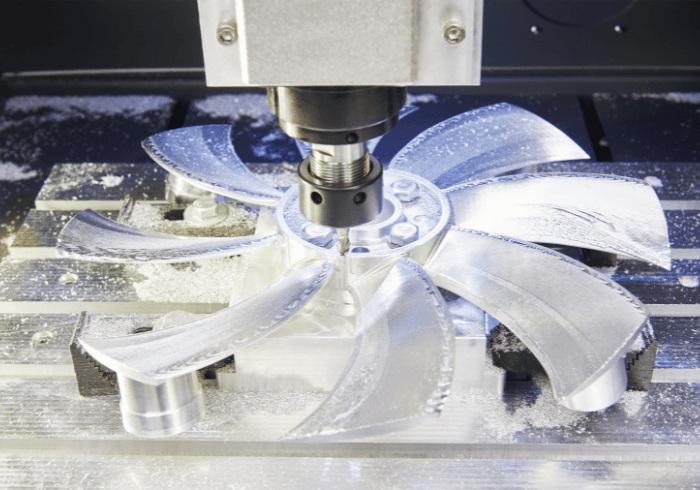
Rapid prototyping originated as a means to quickly transform design concepts into tangible models. Over the years, advancements in CNC machining, 3D printing, sheet metal fabrication, and mold making have expanded the capabilities of rapid prototyping, making it an essential part of modern manufacturing. This evolution has enabled manufacturers to move beyond simple visual models to fully functional prototypes that closely mimic final products in terms of material properties and performance.
Rapid prototyping encompasses various technologies, each with unique strengths that serve different purposes in the product development lifecycle:
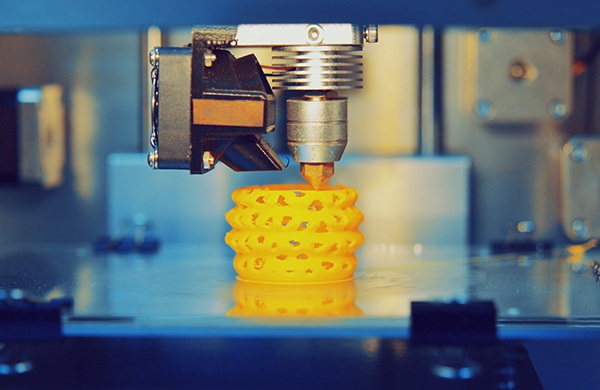
- 3D Printing (Additive Manufacturing): This technology builds parts layer by layer, allowing for the creation of complex geometries that are difficult or impossible to achieve with traditional methods. It is especially useful for concept models, intricate designs, and custom parts that require rapid turnaround.
- CNC Machining: CNC machining provides high precision and excellent surface finish, making it ideal for producing functional prototypes, tooling, and even low-volume production parts. It works well with a wide range of materials, including metals and engineering plastics.
- Sheet Metal Fabrication: This process is essential for producing durable and scalable metal parts such as enclosures, brackets, and chassis. It enables quick turnaround and is widely used in industries requiring robust metal components.
- Injection Molding: While traditionally associated with mass production, injection molding is also used in rapid prototyping for functional testing and bridge production. It allows for the creation of prototypes with properties very close to final production parts.
One of the core principles in rapid prototyping is validating design concepts early in the product development cycle. Leading manufacturers emphasize the importance of collaboration between design engineers, product managers, and clients to identify potential design flaws or manufacturing challenges before they become costly issues.
- Iterative Testing: Creating multiple prototype iterations enables teams to test fit, form, and function progressively. This iterative approach reduces risk and improves the final product quality.
- User Feedback Integration: Incorporating feedback from end-users and stakeholders during the prototyping phase ensures that the product meets market expectations and functional requirements.
- Virtual Simulation: Before physical prototyping, many manufacturers use advanced simulation software to predict performance, stress points, and manufacturability, saving time and resources.
Choosing the appropriate rapid prototyping method is crucial for achieving desired results efficiently and cost-effectively. Leading manufacturers assess several factors when recommending technologies:
- Material Properties: Some prototypes require high strength or flexibility, while others prioritize surface finish or heat resistance.
- Dimensional Accuracy: Depending on the product, tight tolerances may be necessary, influencing the choice between additive and subtractive methods.
- Production Volume: For one-off prototypes, 3D printing or CNC machining may suffice. For small batches, injection molding or sheet metal fabrication might be more suitable.
- Cost and Lead Time: Balancing budget constraints with project timelines guides technology selection.
Material choice significantly impacts prototype performance and the accuracy of testing results. Leading rapid prototyping manufacturers maintain a comprehensive inventory of materials and conduct rigorous testing to ensure suitability.
- Mechanical Properties: Materials are tested for tensile strength, impact resistance, flexibility, and fatigue life to simulate real-world conditions.
- Thermal and Chemical Resistance: Prototypes may be exposed to harsh environments; thus, materials must be evaluated for heat tolerance and chemical stability.
- Surface Finish and Aesthetics: For consumer products, appearance matters. Manufacturers select materials and finishing processes that replicate the look and feel of the final product.
- Biocompatibility: In medical device prototyping, materials must meet strict regulatory standards for safety and compatibility.
Modern rapid prototyping relies heavily on digital workflows to streamline processes and reduce errors.
- CAD/CAM Integration: Direct conversion of CAD models into machine instructions eliminates manual data entry, reducing the risk of errors and accelerating production.
- Design for Manufacturability (DFM) Analysis: Automated software tools analyze designs for potential manufacturing issues, suggesting modifications to improve feasibility and reduce costs.
- Cloud Collaboration Platforms: These enable real-time sharing of design files, project updates, and feedback among clients, designers, and manufacturers, fostering transparency and agility.
- Project Management Software: Advanced scheduling and resource management tools optimize machine usage and ensure on-time delivery.
Quality control is a non-negotiable aspect of rapid prototyping. Leading manufacturers implement comprehensive quality assurance protocols at every stage.
- In-Process Inspection: Monitoring during fabrication helps detect defects early, preventing costly rework.
- Coordinate Measuring Machines (CMM): These devices provide precise dimensional verification, ensuring prototypes meet exact specifications.
- 3D Scanning: High-resolution scanning compares physical prototypes to digital models, identifying deviations and surface imperfections.
- Documentation and Traceability: Detailed records of materials, processes, and inspection results support quality audits and regulatory compliance.
Successful rapid prototyping projects depend on clear communication between manufacturers and clients. Leading providers assign dedicated project managers who serve as single points of contact, offering regular progress updates and promptly addressing concerns.
Rapid prototyping is inherently flexible, and top manufacturers tailor their services to meet specific client needs. Whether it's a one-off prototype or a small batch production run, customization options include material selection, finishing techniques, and packaging.
Speed is a hallmark of rapid prototyping. By leveraging advanced scheduling systems, optimized workflows, and reliable logistics partners, manufacturers consistently meet tight deadlines without compromising quality.
Automation reduces manual labor and human error, increasing efficiency and consistency. Smart manufacturing systems use sensors and data analytics to monitor machine performance, predict maintenance needs, and optimize production schedules.
AI and machine learning algorithms analyze vast amounts of design and production data to identify patterns, predict potential failures, and recommend design optimizations. This results in faster, more reliable prototyping cycles.
Environmental responsibility is becoming a priority. Leading manufacturers adopt sustainable practices such as using recyclable materials, minimizing waste, and implementing energy-efficient equipment. These efforts not only reduce environmental impact but also appeal to eco-conscious clients.

The automotive sector benefits immensely from rapid prototyping by accelerating the development of new models and components. Prototypes are used to test aerodynamics, ergonomics, and safety features, enabling manufacturers to refine designs before committing to expensive tooling.
In consumer electronics, rapid prototyping supports fast product lifecycles and frequent design changes. Prototypes help verify fit and function of miniature components, test user interfaces, and ensure product durability.
Medical device manufacturers rely on rapid prototyping to develop precise, reliable, and compliant products. Prototypes undergo rigorous testing for biocompatibility, sterilization, and mechanical performance, facilitating regulatory approvals and market entry.
The aerospace industry demands high-performance materials and exacting standards. Rapid prototyping allows engineers to test lightweight components, complex assemblies, and new materials under simulated flight conditions.
For industrial machinery and tools, rapid prototyping accelerates the development of durable parts and custom tooling, reducing downtime and improving operational efficiency.
Rapid prototyping is a transformative force in modern manufacturing, enabling companies to innovate faster, reduce costs, and improve product quality. By embracing best practices such as early design validation, careful technology and material selection, integrated digital workflows, and stringent quality assurance, leading rapid prototyping manufacturers consistently deliver superior results. Furthermore, leveraging advanced technologies like automation, AI, and sustainable processes ensures that rapid prototyping remains at the forefront of manufacturing innovation. Whether you are developing automotive parts, consumer electronics, medical devices, or industrial equipment, adopting these best practices will help you harness the full potential of rapid prototyping to accelerate your product development and achieve market success.
Rapid prototyping is a manufacturing process that quickly turns digital designs into physical models. It enables fast iteration, reduces development costs, and helps identify design flaws early, making it essential for product innovation.
The choice depends on factors such as material requirements, desired accuracy, surface finish, and production volume. Consulting with experienced manufacturers can help determine the best method for your project.
Yes, with advancements in materials and processes, rapid prototyping can produce functional end-use parts, especially for low-volume production or customized applications.
By enabling quick design iterations and fast feedback, rapid prototyping shortens the product development cycle, allowing companies to bring products to market faster than traditional methods.
Challenges include selecting suitable materials, ensuring dimensional accuracy, and managing costs. Working with experienced manufacturers and leveraging digital workflows can help overcome these obstacles.

