
Views: 222 Author: Amanda Publish Time: 2025-11-10 Origin: Site


Content Menu
● 1: Turning Lathe Fundamentals
● 2: Material Categories for Turning Lathe
>> Metals
>> Exotic and specialty materials
● 3: Practical Guidance by Material Type
● 4: Tooling and Process Design for Turning Lathe
>> Tool materials and coatings
>> Tool geometry and cutting strategy
● 5: Process Optimization for OEM and Mass Production
>> Standardization and libraries
>> Production flow and sustainability
● 6: Case Scenarios for OEM Applications
● 7: Health, Safety, and Quality Assurance
● FAQ
>> 1) What material provides the best dimensional stability for high-precision turning?
>> 2) How does cutting tool material affect turning lathe tool life?
>> 3) Are composites feasible for turning lathe operations?
>> 4) What cooling approaches work best for titanium turning?
>> 5) Are eco-friendly turning practices viable for plastics?
In modern manufacturing, turning lathe operations remain indispensable for producing precise cylindrical parts with surfaces that meet tight tolerances. For international brands, OEMs, and contract manufacturers, choosing the right material for turning lathe machining influences tool life, cycle time, dimensional stability, and total part cost. This comprehensive guide offers practical guidance on material selection across metals, plastics, and composites, along with actionable tooling, fixture, and process considerations designed to optimize productivity and quality from rapid prototyping through to high-volume production. It emphasizes the keyword turning lathe while ensuring smooth, natural English suitable for an expert audience.
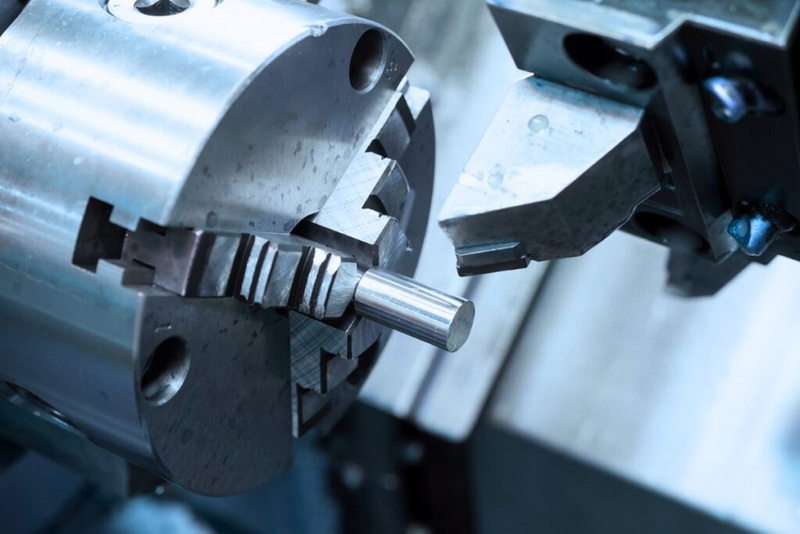
Turning lathe machining removes material from a rotating workpiece using a stationary or rotating cutting tool, depending on machine configuration. Core parameters include cutting speed, feed rate, depth of cut, tool geometry, and workholding rigidity. Material machinability is governed by hardness, strength, thermal conductivity, chip morphology, and thermal expansion, all of which influence surface finish, dimensional stability, and tool wear. Successful turning lathe operations hinge on aligning material choice with appropriate tooling, coolant strategies, and fixturing to achieve repeatable tolerances.
- Aluminum alloys: Noted for high machinability, light weight, and excellent thermal conductivity; ideal for rapid prototyping and components where weight reduction matters. Machining considerations include preventing built-up edge and maintaining clean chip formation.
- Stainless steel: Offers corrosion resistance and strength; machinability varies with alloy composition. Harder grades can be prone to work-hardening and gummy chips, requiring optimized tool geometry and controlled cutting conditions.
- Carbon steels: A broad family with good machinability and cost-effectiveness. Hardened variants demand specialized tooling and careful process control to preserve surface integrity.
- Die-cast alloys: Common in complex geometries; turning may be followed by finishing operations due to casting characteristics and potential inclusions.
- Titanium and its alloys: High strength-to-weight ratio and corrosion resistance, but with high cutting temperatures and a tendency to work harden. Tooling choices and cooling strategies are crucial for productive cycles.
- Copper and brass: Very good machinability and excellent thermal/electrical properties; produce smooth finishes under well-chosen cutting conditions.
- Engineering plastics (e.g., nylon, polycarbonate, PEEK, PTFE): They offer lower cutting forces but require attention to heat buildup and creep under high-speed turning. Tooling and cooling strategies impact surface integrity.
- Composite materials (including carbon-fiber-reinforced or glass-filled plastics): Require tools with high wear resistance and careful process planning to prevent delamination and chatter.
- Ceramics and ceramic-coated tools: High hardness and heat resistance demand specialized machine setups; cutting strategies must minimize tool wear and workpiece cracking.
- Hybrid materials and advanced composites: Often require precise fixturing, controlled cooling, and tailored tool paths to maintain tolerances and surface finish.
- Practical considerations: Easy chip formation leads to high material removal rates; however, aluminum's softness can cause built-up edge if tool geometry is not appropriate.
- Recommendations: Use sharp carbide inserts or HSS with suitable coatings; maintain adequate coolant to regulate temperature and minimize thermal distortion; consider higher cutting speeds with conservative depth of cut to optimize throughput.
- Practical considerations: Susceptible to work hardening and gummy chips; surface finish can deteriorate if cutting conditions are not optimized.
- Recommendations: Choose solid carbide or ceramic inserts with positive rake geometry; ensure effective chip flow and robust coolant, and consider coatings that enhance edge retention and heat resistance.
- Practical considerations: Consistent machinability and broad availability; ferrous oxide control and surface finishing depend on cooling and lubrication.
- Recommendations: Favor sharp carbide tooling; optimize feed and depth of cut to minimize heat buildup; monitor tool wear for consistent surface quality.
- Practical considerations: Excellent strength but difficult to machine due to heat generation and work-hardening tendencies.
- Recommendations: Utilize high-performance tools (carbide or ceramic) with generous cooling; implement rigid fixturing and vibration control; use conservative feeds and higher feed-per-tooth strategies when possible to manage heat.
- Practical considerations: Excellent machinability and surface finish potential; overly aggressive feeds can smear soft metals.
- Recommendations: Apply sharp tools and moderate cutting parameters; maintain solid fixturing to reduce vibration; coolant can help flush chips and maintain surface quality.
- Practical considerations: Heat sensitivity and potential thermal expansion require careful control of cutting conditions.
- Recommendations: Use conservative cutting speeds with adequate cooling; consider higher feeds to reduce heat concentration; secure workpieces to avoid chatter and deflection.
- Practical considerations: High hardness and brittleness demand specialized tooling and cautious approach.
- Recommendations: Select dedicated tools with wear resistance; adopt step-down depth-of-cut strategies and slow, incremental material removal; ensure stable fixturing and controlled chip evacuation.
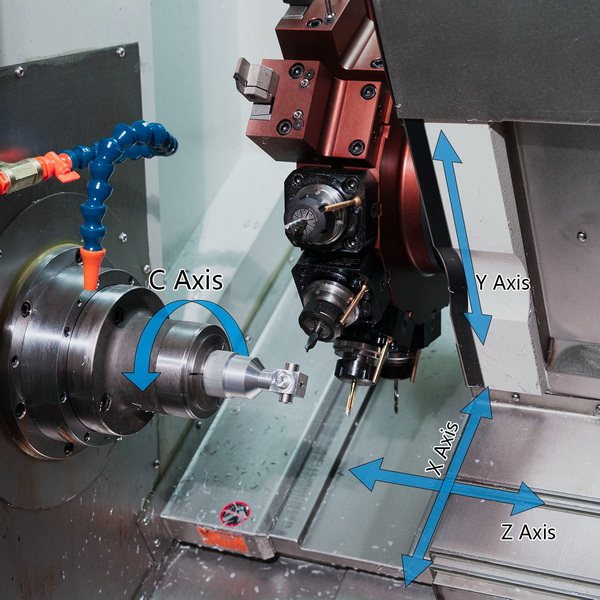
- Carbide: The workhorse for a wide range of materials due to balance of hardness, toughness, and cost.
- Ceramics and CBN: Beneficial for high-temperature or particularly hard workpieces; trade-offs include brittleness and cost.
- HSS and coatings: HSS remains useful for certain plastics and soft metals; coatings (TiN, TiCN, AlTiN) can extend edge life on harder alloys.
- Rake angles: Positive rake angles improve chip flow for softer materials; negative rake angles can apply to tough materials requiring strength at the cutting edge.
- Edge preparation: Sharp edges reduce cutting forces and heat buildup; break-in procedures extend tool life.
- Chip control: Insertion design, chip breakers, and wiper geometry contribute to surface finish and stable machining.
- Flood cooling: Effective for metal cutting at higher speeds to manage temperature and chip evacuation.
- MQL and dry machining: Environmentally friendlier options suitable for select materials and applications while requiring careful parameter tuning.
- Minimum quantity lubrication: Balances cooling with reduced coolant usage, often compatible with high-precision, high-speed turning.
- Rigid clamping and balanced workholding: Essential for high-speed turning to minimize runout and vibration.
- Vibration control: Damping strategies and toolholders designed to minimize chatter improve surface finish and dimensional stability.
- Setup standardization: Create templates for common materials and diameters to minimize changeover times.
- Tool libraries: Maintain a catalog of inserts, coatings, and geometries; track tool life and replacement cycles.
- Inline gauging: Implement real-time monitoring to detect deviations early.
- Precision metrology: Use touch probes and post-process measurement to confirm tolerances and surface finishes before shipping.
- Cycle time reduction: Optimize tool paths, caching, and multi-feature operations to reduce non-cut time.
- Coolant management: Recycle or minimize coolant use; explore dry machining where feasible to reduce environmental impact.
- Rapid prototyping with aluminum housings: Emphasize speed and flexibility; leverage optimized tool changes and coolant strategies to sustain throughput while preserving tight tolerances.
- Stainless steel shaft production: Invest in robust carbide tooling with coatings; enforce fixturing stability and controlled cutting parameters to minimize work hardening and achieve repeatable finishes.
- Titanium impellers: Combine advanced tooling with advanced cooling and strict process development to balance material properties with achievable cycle times.
- Plastic fasteners: Favor low-to-moderate speeds with efficient chip evacuation; ensure fixtures prevent deflection and maintain dimensional stability.
Machining operations involve cutting fluids, particulates, and noise hazards. Protect operators with appropriate PPE, ventilation, and dust control. Robust QA practices ensure batch-to-batch consistency.
- Material traceability: Track material lots and specifications for every lot processed.
- Tool wear monitoring: Inspect tool edges regularly and replace worn inserts to prevent surface defects.
- Process documentation: Maintain detailed process sheets with cutting conditions, tool geometry, and fixturing instructions for reproducibility.
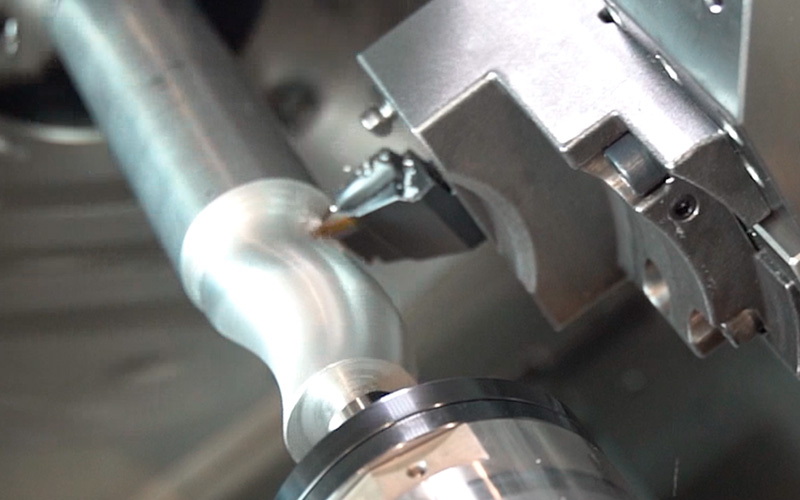
Material selection for turning lathe machining is a balance of machinability, performance, cost, and production demands. Aluminum alloys enable rapid prototyping with high throughput; stainless and carbon steels serve robust, repeatable production parts; titanium demands specialized tooling and cooling to achieve viable cycle times; plastics offer lightweight alternatives with particular heat and wear considerations. The best outcomes arise when material choice is matched with appropriate tooling, fixturing, and process controls, enabling reliable, repeatable quality across OEM manufacturing and rapid-prototyping workflows.
- Aluminum alloys and certain stainless steels are commonly favored for predictable thermal behavior and reliable machinability when paired with proper cooling and fixturing.[1]
- Harder materials necessitate tougher, more wear-resistant tools (such as carbide or ceramic), and require optimized cutting strategies to extend life.[2]
- Yes, with specialized tooling and careful process planning to minimize delamination and ensure surface integrity.[4]
- High-performance tooling plus robust cooling, along with stable fixturing and conservative feeds, help manage heat and reduce work hardening.[1]
- Yes, through optimized cutting parameters, use of MQL or dry machining where feasible, and careful material handling to maintain part quality.[1]
[1](https://kingsburyuk.com/cnc-turning-guide/)
[2](https://chiggofactory.com/lathe-cutting-tools-a-complete-guide-to-cnc-turning-tools-and-selection/)
[3](https://etcnmachining.com/blog/lathe-machining-parts/)
[4](https://cncwmt.com/qa/a-complete-guide-to-cnc-turning/)
[5](https://www.machineinsider.com/the-comprehensive-guide-to-turning/)
[6](https://bfweurope.com/lathe-cutting-tools-a-comprehensive-guide-to-cutting-tools/)
[7](https://hmaking.com/lathe-cutting-tools/)
[8](https://jlccnc.com/blog/how-to-choose-the-right-cutting-tool-materials)
[9](https://rosnokmachine.com/turning/)

