
Views: 222 Author: Amanda Publish Time: 2025-07-20 Origin: Site


Content Menu
● Evolution of Material Science in Rapid Prototyping
● Key Material Innovations Transforming Rapid Prototyping
>> 1. Advanced Engineering Plastics
>> 3. Photopolymers and Resin Blends
>> 5. Smart and Functional Materials
● Application Examples in Different Industries
>> Medical Devices and Healthcare
● Synergy Between Material Science and Advanced Manufacturing Technologies
● Challenges in Material Selection for Rapid Prototyping
● Future Directions in Rapid Prototyping Materials
● FAQs
>> 1. What are the most popular materials for rapid prototyping?
>> 2. How do material properties influence prototyping results?
>> 3. Can rapid prototyping use production-grade materials?
>> 4. What role does material science play in sustainability for rapid prototyping?
>> 5. Are there limitations in using advanced materials for rapid prototyping?
The manufacturing landscape is undergoing a transformative shift, primarily fueled by remarkable advances in material science. As markets demand faster design cycles and increasingly complex products, rapid prototyping has emerged as a cornerstone technology enabling companies to turn visionary concepts into functional prototypes at unprecedented speed. From lightweight aerospace components to intricate medical devices, the integration of novel materials and innovative prototyping techniques is setting new benchmarks for precision, efficiency, and customization.
In this comprehensive guide, we delve into how cutting-edge material science propels the rapid prototyping industry, examining pivotal materials, technologies, industry applications, and future trends. Whether you are an OEM, a product designer, or simply passionate about manufacturing innovation, understanding the synergy between novel materials and rapid prototyping will illuminate pathways to design excellence.
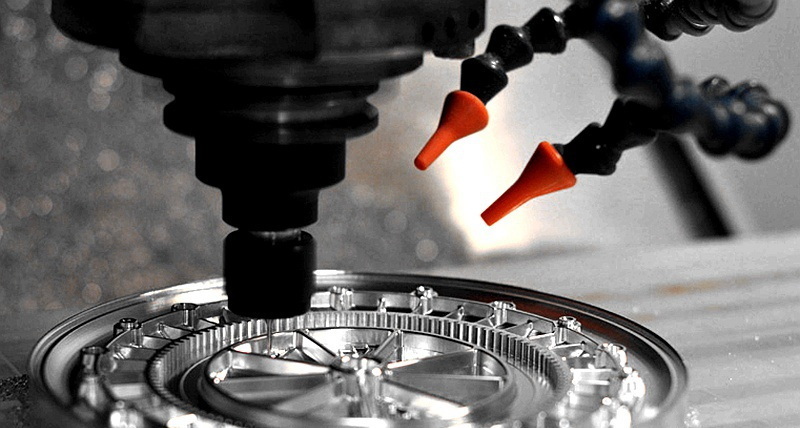
Rapid prototyping refers to a suite of manufacturing techniques designed to swiftly fabricate a scale model or functional prototype of a physical part or assembly. These methods use 3D CAD data and often leverage additive, subtractive, or hybrid technologies, enabling innovation across product development cycles.
- Additive manufacturing includes processes like 3D printing (SLA, SLS, FDM, etc.).
- Subtractive manufacturing covers CNC machining, milling, and turning.
- Hybrid approaches combine both to optimize outcome.
Rapid prototyping is widely used in automotive, aerospace, medical, consumer products, and countless other industries, offering:
- Rapid design iteration
- Functionality and fit testing
- Reduced time to market
- Material performance evaluation
Since its inception, rapid prototyping has shifted from basic shape modeling to producing highly functional, accurate prototypes that closely simulate final product characteristics. This evolution parallels significant advances in material science, which continuously expand the performance envelope of prototyped parts.
The journey of rapid prototyping is closely tied to the evolution of material science. Early prototypes were limited to basic plastics or soft materials, often falling short for real-world function or durability assessments. However, the relentless pursuit of new materials has paved the way for prototypes that closely simulate final production parts in mechanics, texture, and performance.
Early rapid prototyping materials like basic photopolymers and low-grade plastics offered only cosmetic or conceptual visualization. While valuable for form and fit checks, these materials lacked robustness for functional testing.
Over time, the development of engineering-grade thermoplastics such as ABS, polycarbonate, and nylon enabled stronger, more durable prototypes with better mechanical and thermal properties. Similarly, the application of metal powders and sintering techniques brought metal rapid prototyping and small batch manufacturing into reality.
The latest breakthroughs involve multifunctional composites, biocompatible resins, high-temperature polymers, and smart materials that respond to environmental stimuli. These advances support rapid prototyping not just as a development step but as a platform for functional validation and even end-use part production in some cases.
The synergy of new materials with rapid prototyping technologies has broadened the horizons of design and manufacturing. Below we discuss some landmark material categories reshaping the rapid prototyping domain.
Engineering plastics like ABS, polycarbonate (PC), nylon (PA), PEEK, and ULTEM have become staples in rapid prototyping due to their excellent mechanical properties, chemical resistance, and heat tolerance. These materials allow prototypes that endure functional testing such as impact resistance, load-bearing, and thermal cycling.
- ABS: Common for housings and enclosures; offers toughness and ease of post-processing.
- Polycarbonate: Noted for impact strength and optical clarity; useful in safety gear prototypes.
- Nylon: Favored for flexibility and wear resistance; applied in gears and moving parts.
- PEEK & ULTEM: High-temperature-resistant polymers ideal for aerospace and medical prototype parts.
The ability to print or machine these materials enables producing prototypes that closely resemble or exceed the properties of final injection-molded or machined components.
The incorporation of metals in rapid prototyping has unlocked significant potential, especially for aerospace, automotive, and medical sectors. Metal additive manufacturing techniques such as selective laser melting (SLM) and direct metal laser sintering (DMLS) can process aluminum alloys, titanium, stainless steel, cobalt-chrome alloys, and Inconel.
These metals provide:
- Excellent strength-to-weight ratios
- Superior corrosion resistance
- Biocompatibility (especially titanium and cobalt-chrome)
- Capability for complex internal geometries such as lattice structures
Metal rapid prototyping not only accelerates product iteration but also enables low-volume functional production runs and tooling applications.

In stereolithography (SLA) and digital light processing (DLP) printing, photopolymers remain crucial for producing prototypes with outstanding detail and surface finish quality. Innovations in resin chemistry now allow for diverse properties:
- Flexible and durable resins for snap-fit and living hinges
- Transparent and color-stable resins for optical components
- Biocompatible resins for dental and surgical guides
- High-temperature and chemical-resistant resins for functional parts
Blending multiple resin chemistries further expands customization of mechanical and thermal traits to suit prototype demands.
The rise of carbon fiber-reinforced polymers and glass fiber-reinforced materials in rapid prototyping brings exceptional stiffness, strength, and reduced weight to prototypes. These composites outperform many traditional materials in strength-to-weight ratio, making them ideal for aerospace, automotive, and sports equipment applications.
Advances in nanomaterial integration are driving further enhancements through improved electrical conductivity, thermal stability, and surface finish.
Smart materials capable of changing shape, color, or conductivity under stimuli (temperature, light, electrical current) are featured increasingly in rapid prototyping. Shape memory alloys and polymers enable testing of self-assembling or morphing parts, pioneering new product categories like adaptive wearables and soft robotics.
Furthermore, conductive polymers and piezoelectric materials permit prototyping of sensor-integrated devices, advancing rapid prototyping from purely structural to multifunctional prototypes.
Automotive design benefits enormously from rapid prototyping with advanced materials. External panels, airflow guides, engine components, and interior fittings are prototyped with engineering plastics and aluminum alloys. This approach allows OEMs to reduce tooling costs while performing fit, function, and aerodynamic testing early in development.
Lightweight composite prototypes help in reducing vehicle weight and improving fuel efficiency, while metal rapid prototyping accelerates the manufacturing of durable, high-temperature engine parts.
Custom medical implants, surgical instruments, and diagnostic tool prototypes rely heavily on biocompatible polymers and metal alloys, particularly titanium and cobalt-chrome. Rapid prototyping enables personalized medicine by allowing patient-specific implants and guides, tailored to anatomy using advanced imaging data.
Additionally, flexible resins and soft materials create lifelike models for surgeon training and preoperative planning, improving surgical outcomes and patient safety.
Rapid prototyping supports sleek, compact designs typical in consumer electronics. Transparent photopolymers are ideal for lenses and display covers, while flexible polymers assist in wearable electronics and ergonomic prototypes. Low-volume metal parts and precision CNC prototypes accelerate final product validation, especially for housings and structural components.
The aerospace industry consistently drives rapid prototyping using high-strength composites and specialty metal alloys. Prototyping structural elements, turbine blades with internal cooling channels, and lightweight ducts using advanced CAD and additive manufacturing improves design robustness and reduces development cycles.
Rapid prototyping also allows iteration of complex geometries that are unfeasible with traditional manufacturing, fostering innovation and performance gains.
The explosive growth in rapid prototyping owes much to complementary advances in manufacturing infrastructure and digital tools.
- CNC Machining: Enables subtractive production of high-tolerance parts from metals and plastics, ideal for prototypes requiring superior mechanical properties and finishes.
- 3D Printing Technologies: Biomedical stereolithography, selective laser sintering, fused deposition modeling, and powder bed fusion each utilize specific material sets, allowing tailored approaches for speed, detail, and mechanical function.
- Sheet Metal Fabrication & Folding: Works effectively with thin metals for chassis, enclosures, and support structures, balancing strength and lightweight design.
- Lathe Turning & Milling: Critical for creating functional prototypes with circular, complex, or axisymmetric features.
These technologies, enhanced by robotic controls and AI-driven process optimization, expand rapid prototyping's capability—not just to validate designs but to produce near-final parts in industries that demand quality and speed.
While material science offers many new options for rapid prototyping, designers and engineers must navigate several challenges:
- Material Performance Matching: It is vital to select materials that realistically mimic the mechanical, thermal, and chemical behavior of intended production materials to ensure meaningful prototype testing results.
- Surface Finish Requirements: Achieving high-quality finishes, whether matte, glossy, or textured, often requires careful material and process selection or additional post-processing.
- Environmental Resistance: Some prototypes must resist UV exposure, solvents, or sterilization processes, narrowing material choice.
- Cost and Lead Time: Advanced or specialty materials can be cost-prohibitive for early iterations, requiring balance between fidelity and budget.
- Process Compatibility: Not all materials are compatible with every rapid prototyping technology, a constraint that must be considered during design.
Addressing these challenges requires expertise in material properties, prototyping techniques, and end-use application demands to optimize rapid prototyping success.
Looking ahead, material innovation will continue to redefine rapid prototyping capabilities. Several emerging trends include:
- Sustainable and Bio-Based Polymers: Growing environmental awareness pushes development of biodegradable, renewable feedstock materials, reducing prototyping waste and ecological footprint.
- Nanostructured Metals and Ceramics: Enhanced with nano-scale features, these materials promise unprecedented strength, toughness, and thermal stability for challenging applications.
- Four-Dimensional (4D) Printing Materials: Smart materials that evolve shape or properties over time after printing open novel paths for dynamic components and adaptable designs.
- Graphene and Carbon-Based Nanomaterials: Their superior electrical conductivity and mechanical strength enable next-gen electronics and multifunctional prototyping beyond structural needs.
The convergence of advanced material science with machine learning and robotics will transform rapid prototyping into a faster, greener, and more intelligent discipline, driving innovation across all manufacturing sectors.
Advances in material science are fundamentally reshaping the landscape of rapid prototyping, transforming it into a powerful enabler of design flexibility, speed, and real-world performance assessment. From engineering plastics to high-performance metals and smart composites, the array of material choices continues to grow. Strategic material selection—coupled with appropriate prototyping techniques—unlocks new product opportunities, reduces development time, and propels companies to the forefront of innovation.
As material science continues to advance, manufacturers, designers, and OEMs will benefit tremendously by leveraging these new materials in rapid prototyping. This synergy not only accelerates product innovation but also enhances sustainability and product customization, making rapid prototyping an indispensable element of modern manufacturing.
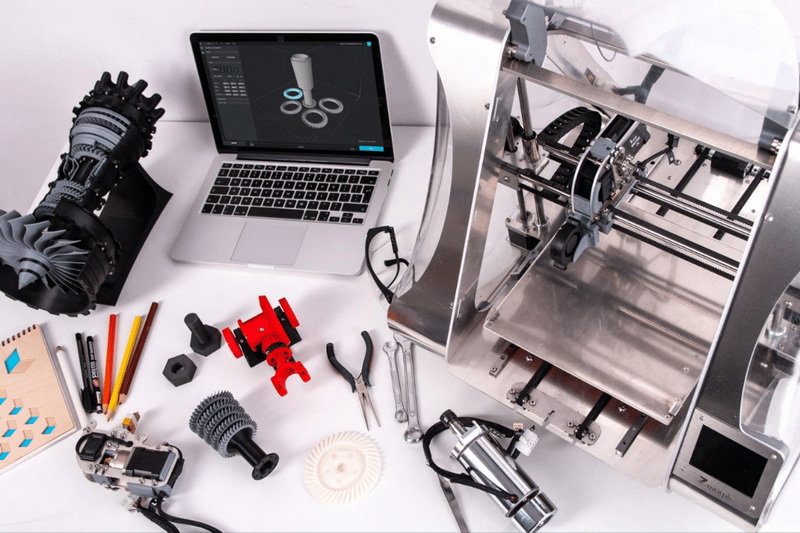
Commonly used materials include ABS, polycarbonate, nylon, aluminum, stainless steel, photopolymer resins, and carbon fiber composites. The choice depends on prototype functionality, desired finish, and intended testing requirements.
Material properties such as tensile strength, heat resistance, and flexibility directly affect a prototype's performance in real-world testing. Selecting the right material ensures accurate validation and suitability for mass production.
Yes, with modern advances, many rapid prototyping methods can work with production-grade metals, engineering plastics, and even composites, allowing for accurate pre-production testing and functional validation.
Material science is enabling bio-based and recyclable polymers, reducing environmental impact. Sustainable rapid prototyping materials can now be engineered to degrade safely, conserve resources, and minimize waste.
While advanced materials offer superior performance, they may present challenges involving processing compatibility, increased costs, or post-processing requirements. Expertise in rapid prototyping ensures optimal material selection for each project.

