
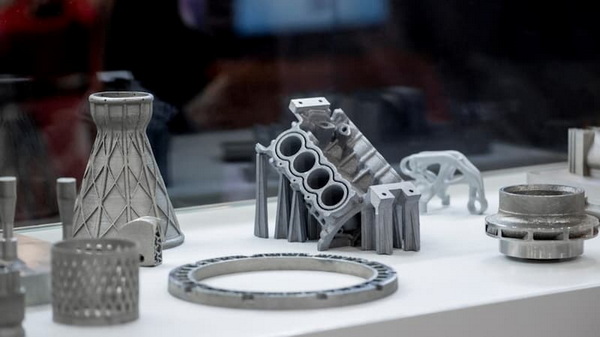
This article details how technical support dramatically enhances the experience of 3D print prototyping by offering critical assistance in setup, troubleshooting, design optimization, and continuous service improvements. It discusses the advantages of outsourcing prototyping services—including access to advanced technology and expert guidance—and highlights how expert support speeds innovation and improves product quality. Integrating strong technical support into prototyping workflows empowers faster, more cost-effective development cycles and better innovation outcomes.
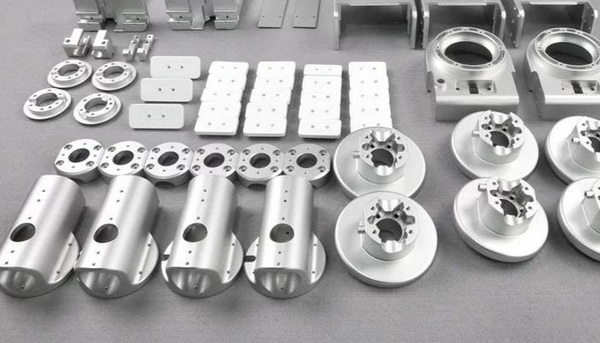
This article highlights the critical reasons why partnering with a trusted 3D print prototype supplier is essential for accelerating product innovation, optimizing costs, and ensuring high-quality prototype production. It explores benefits such as material variety, expert design collaboration, superior post-processing, production scalability, and risk reduction—demonstrating how strategic partnerships empower brands, OEMs, and wholesalers to thrive in competitive markets.
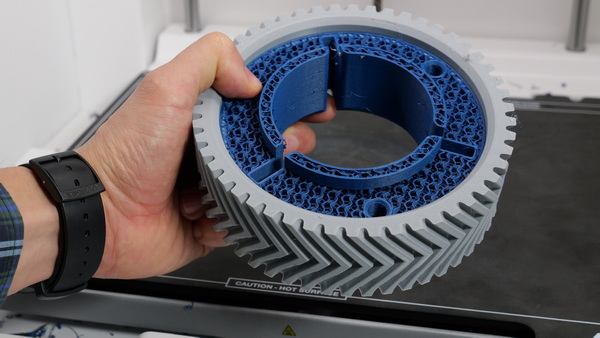
This in-depth article guides readers through the customer journey with Shangchen, a top-tier manufacturing factory in China, from initial product idea through creation of a 3D print prototype to precision batch production. It showcases Shangchen's rapid prototyping, CNC machining, and OEM services, emphasizing how 3D print prototypes accelerate product development and ensure quality, efficiency, and scalability for global brands and wholesalers. The comprehensive overview highlights how Shangchen blends innovative technologies with customer-centric solutions to transform ideas into market-ready products smoothly and swiftly.
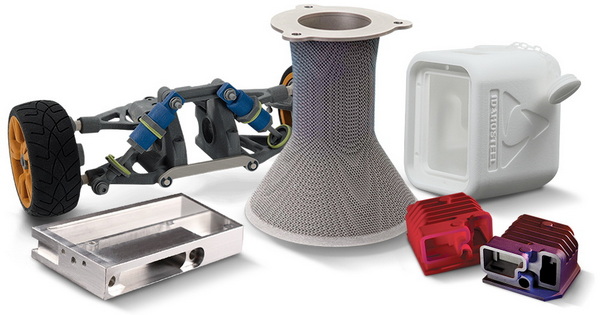
This article provides a detailed exploration of what to expect from a professional 3D print prototype manufacturer. It covers the spectrum of 3D printing technologies and services, the advantages of using 3D print prototypes, quality expectations, and guidance on selecting the right manufacturer. Intended for international clients involved in OEM production, it highlights how leveraging expert 3D print prototyping services accelerates innovation and optimizes product development cycles.

Shangchen specializes in customized 3D print prototype solutions, integrating advanced additive manufacturing with CNC machining and comprehensive OEM services. Their ability to deliver rapid, precise, and cost-effective prototypes helps global brands accelerate innovation, validate designs, and transition smoothly to large-scale production.
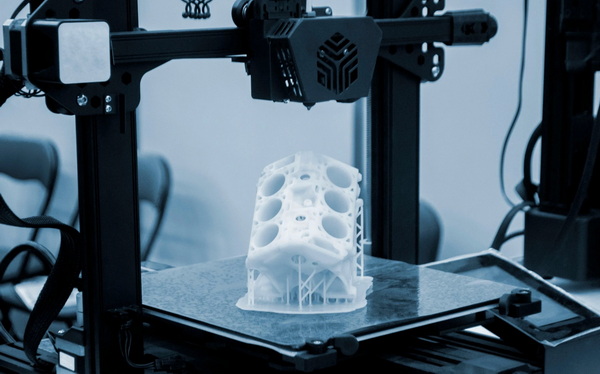
This article explores key quality control techniques for producing reliable 3D Print Prototypes, focusing on material verification, printer calibration, real-time monitoring, dimensional accuracy, and post-processing. It addresses common defects and offers best practices to ensure consistent prototype quality, supporting OEM manufacturing needs in various industries.
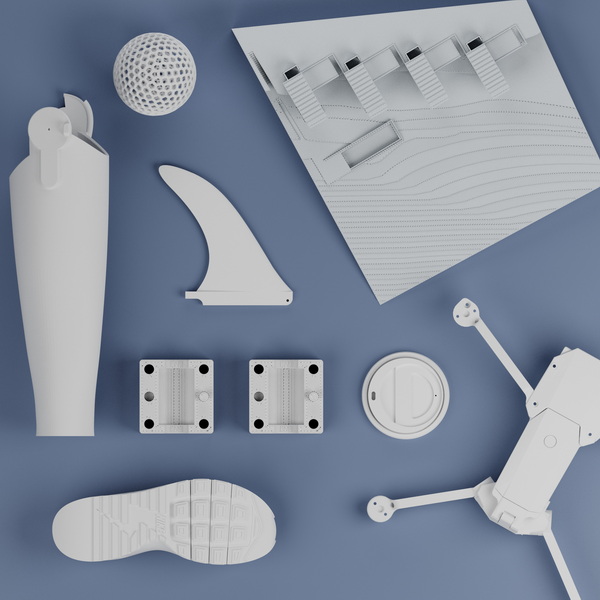
This article explores the transformative impact of AI on next-generation 3D print prototyping, highlighting how AI-powered design, automation, and quality control accelerate innovation, reduce costs, and enhance sustainability across industries such as aerospace, healthcare, and consumer goods. The integration of AI revolutionizes manufacturing workflows by enabling optimized designs, predictive maintenance, real-time adaptive printing, and broader accessibility, positioning 3D print prototypes as a cornerstone of modern production.
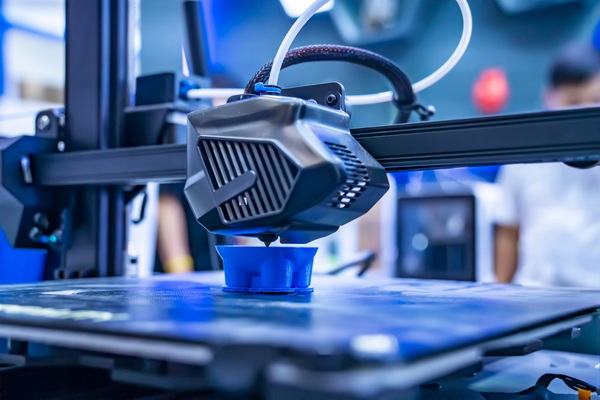
This article explores how data analytics enhances 3D print prototype consistency by leveraging real-time sensor data, machine learning, and AI-driven automation. It covers technology integration, benefits such as precision and cost savings, challenges faced, and future directions. Readers gain valuable insights into optimizing rapid prototyping processes for superior quality and efficiency.

This article explores the key technologies behind precision 3D print prototypes, highlighting core printing methods such as FDM, SLA, SLS, and advanced innovations like AI-powered printing and multi-material capabilities. It discusses design principles, materials selection, and real-world applications across industries like automotive, healthcare, and aerospace. The article concludes with FAQs addressing common questions to guide manufacturers seeking expert insights into leveraging 3D print prototypes for rapid, precise product development.
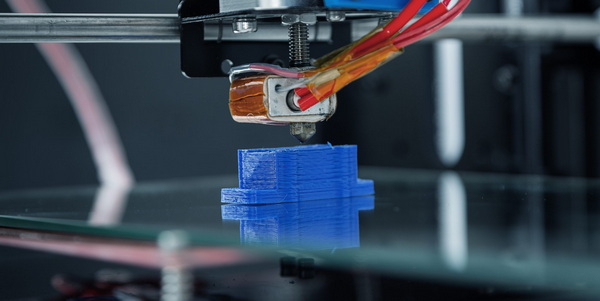
This guide delivers a comprehensive, step-by-step methodology for creating high-quality 3D print prototypes, from initial concept to final testing. It covers essential steps such as design, material selection, printing technologies, and post-processing methods. Practical tips and FAQ address common challenges, empowering designers and businesses to leverage 3D printing for rapid, cost-effective prototyping with excellent precision and finish.


