
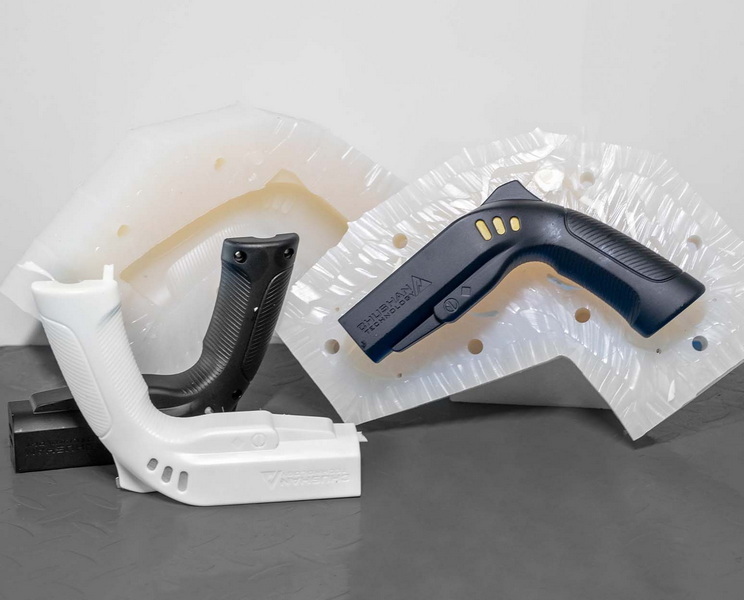
This in-depth article compares vacuum casting and compression molding, highlighting their processes, advantages, material compatibility, and applications. Vacuum casting is preferable for highly detailed, low-volume prototyping and parts, while compression molding is suited for medium-volume, strong, functional components. Understanding these differences helps optimize manufacturing choices for cost and quality.
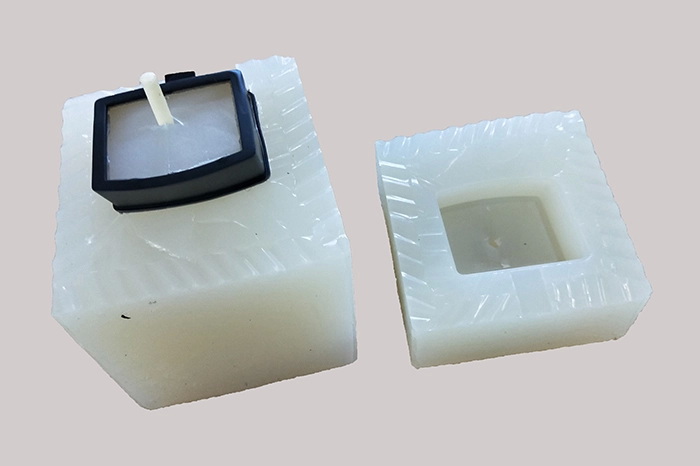
This article comprehensively compares vacuum casting and 3D printing, outlining their respective processes, strengths, limitations, and applications. It explains how these manufacturing methods can be used complementarily to optimize product development cycles. By leveraging the rapid flexibility of 3D printing and the high quality of vacuum casting, manufacturers can balance speed, cost, and quality to meet varied production demands.
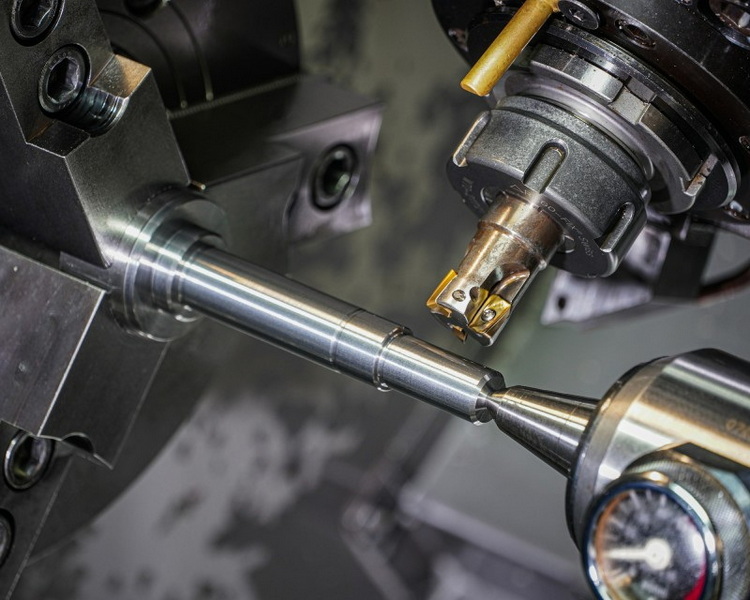
This article explores the fundamental differences between CNC Lathe Turning and CNC Milling, two pivotal manufacturing processes. It explains how lathe turning's rotational cutting excels in producing precise cylindrical parts, while milling's multi-axis tool movement enables the creation of complex geometries and three-dimensional shapes. The article also covers their typical applications, advantages, and factors influencing the choice between the two methods. Understanding these aspects helps manufacturers optimize quality, efficiency, and costs in precision production.


